Presentation
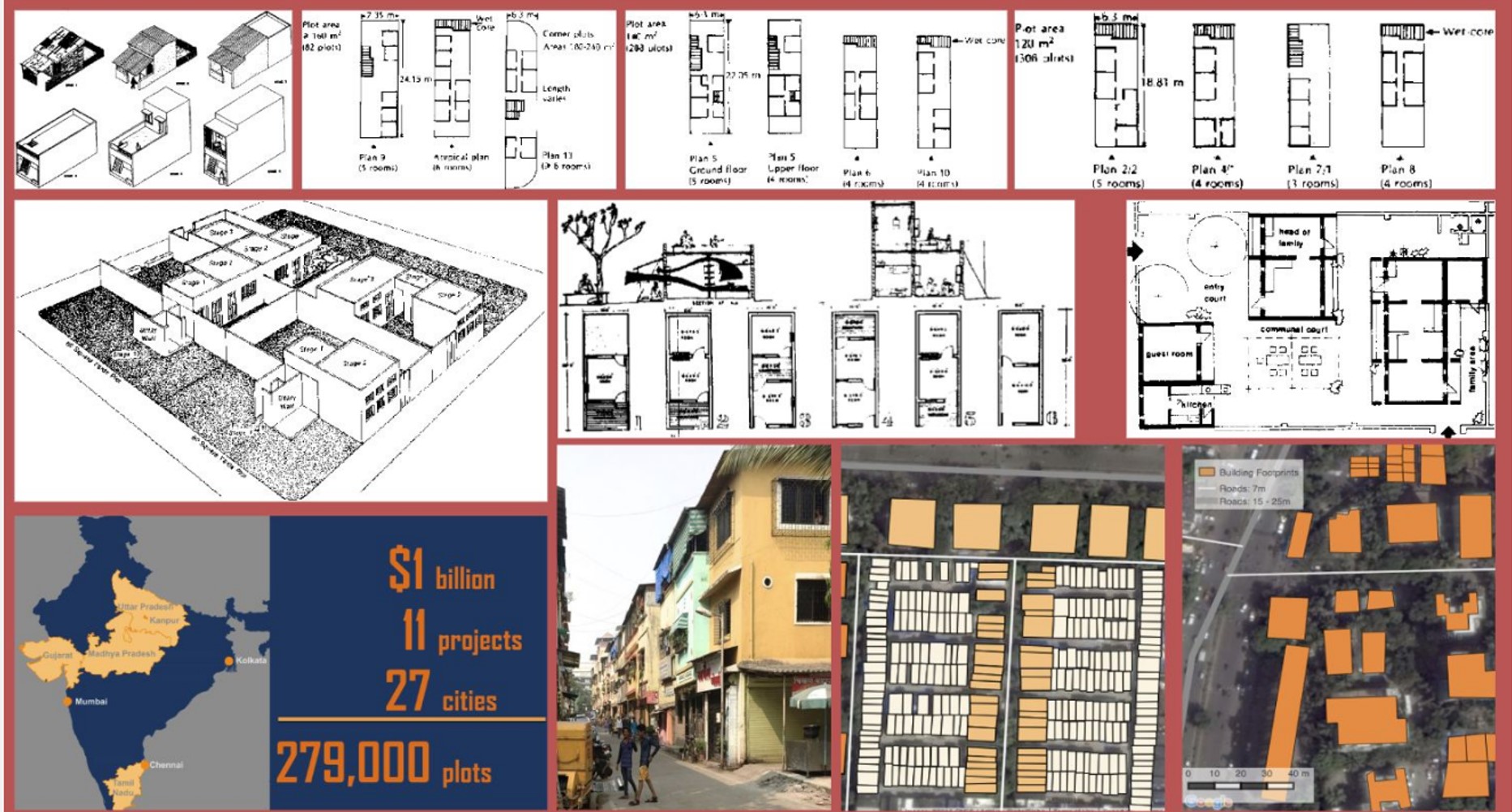
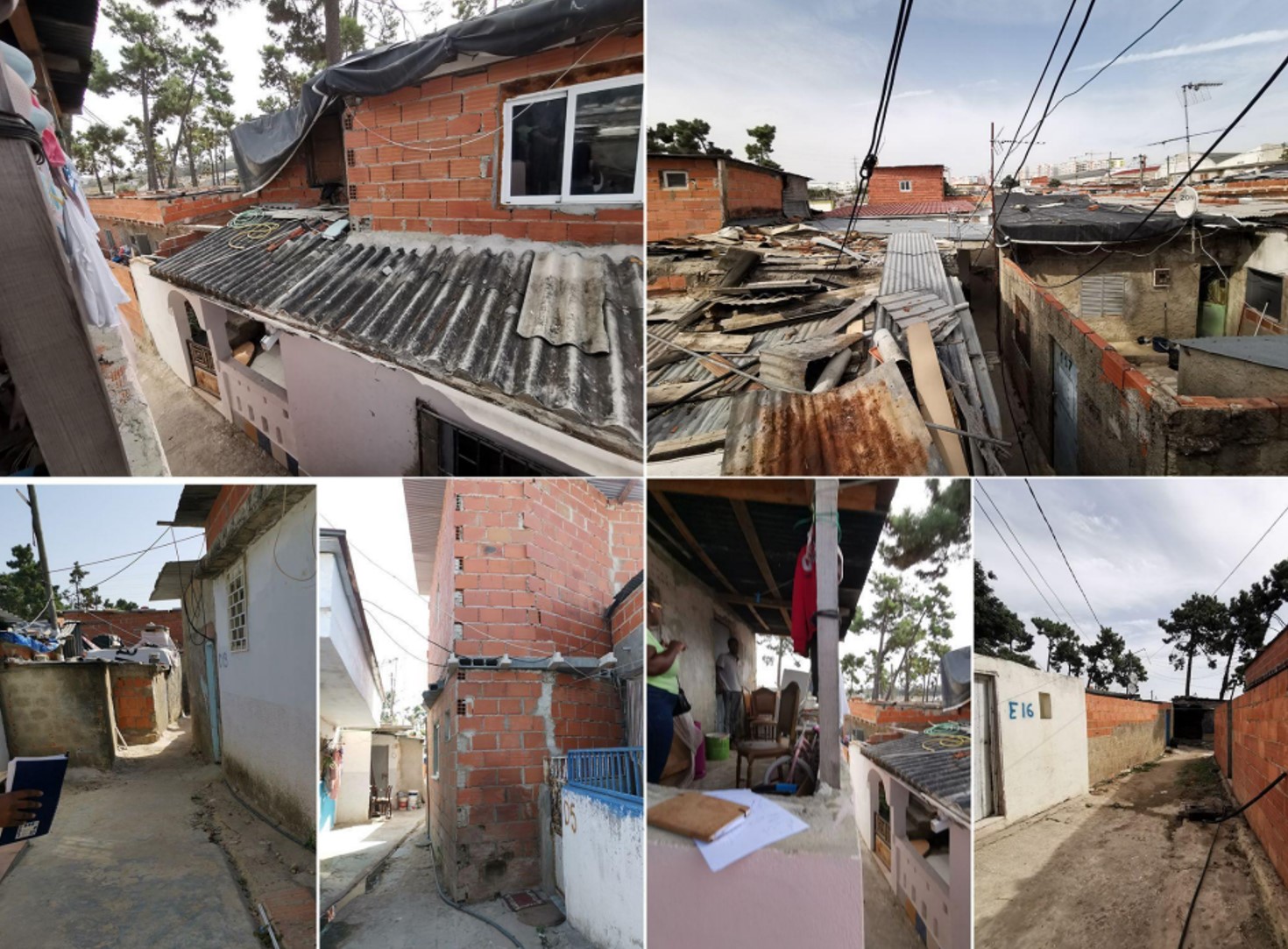
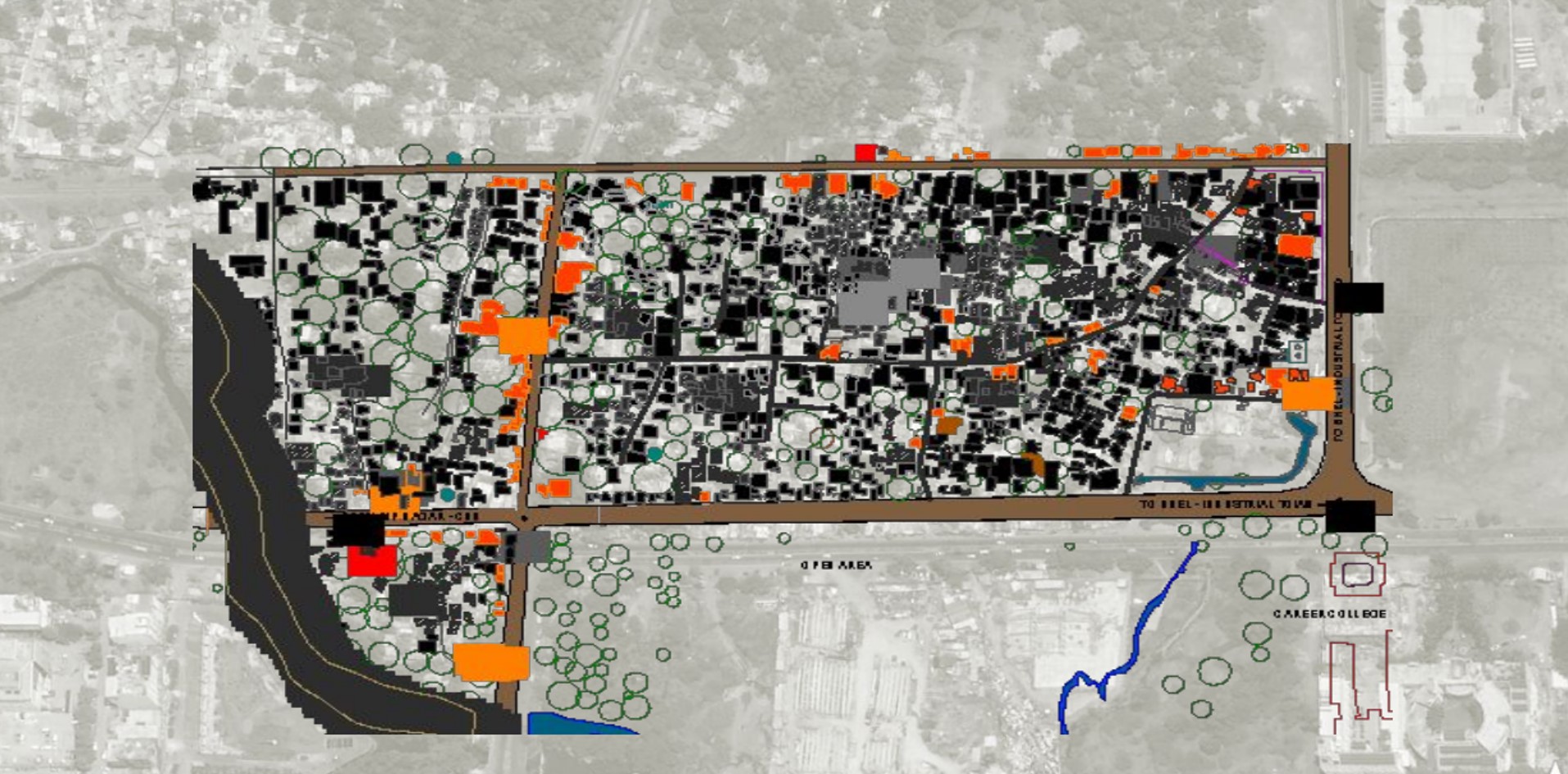
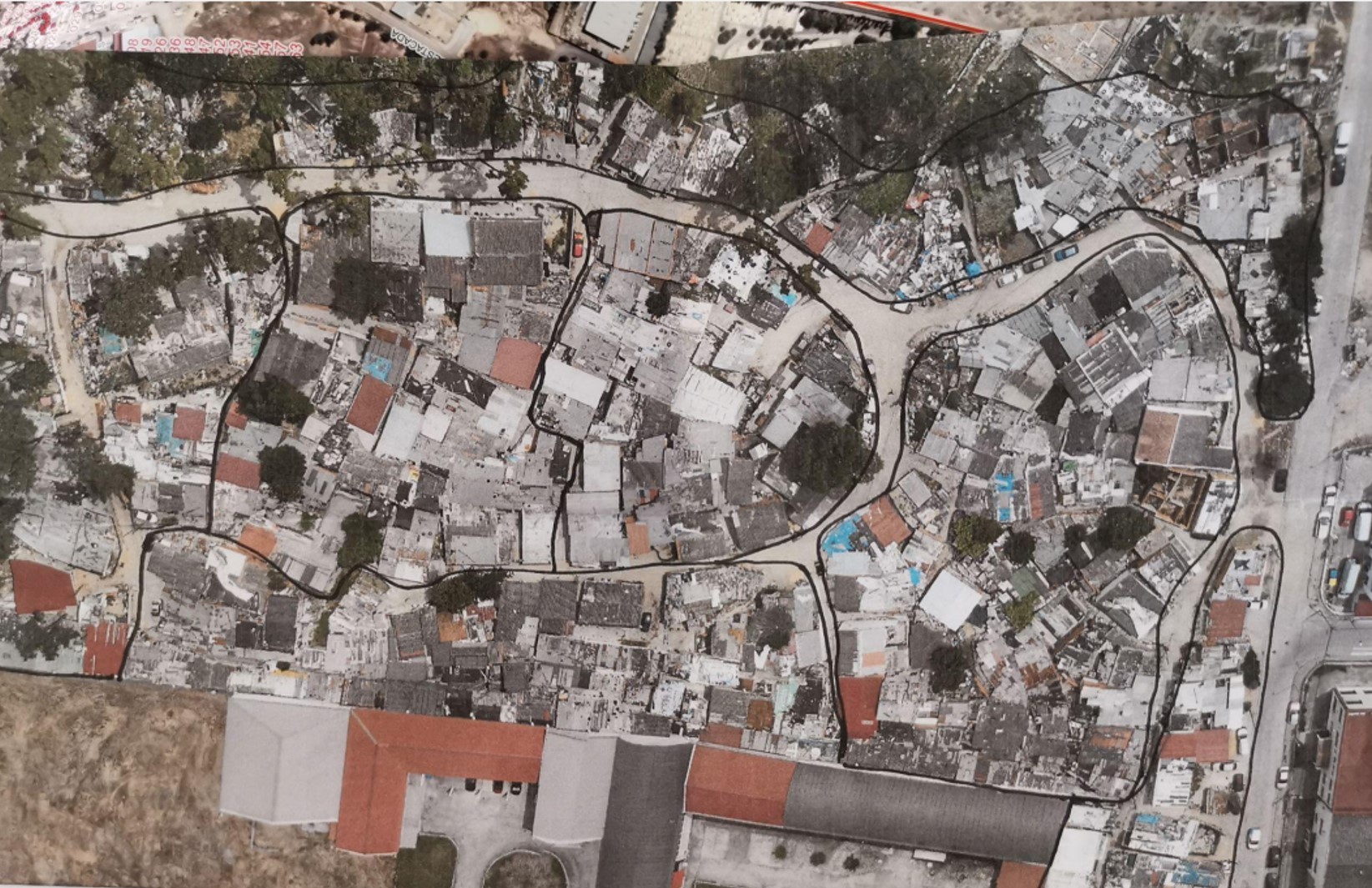
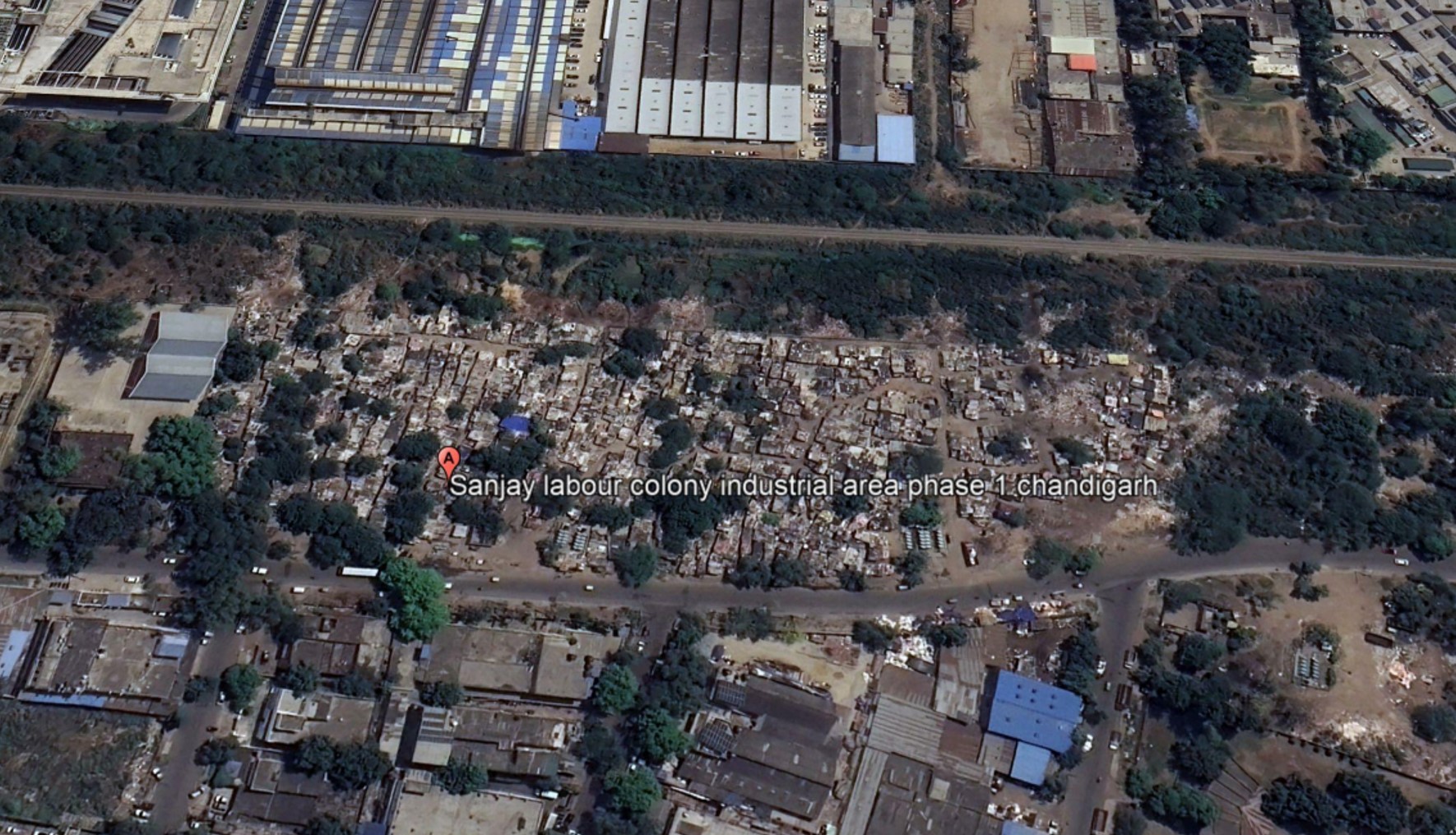
From a cross-disciplinary view, the research focuses on Humanitarian Architecture and Urban Design (HAUD) and Incremental Housing (IH) practices. It addresses poorly -infrastructured areas in the periphery of major cities particularly affected by climate change (CC) and the Covid-19 pandemic. The project investigates HAUD as a reshaping of conventional architecture and urban design and IH as a response to low-income families’ housing needs. The vulnerability and exposure to the risk of communities in slum areas are very high therefore, they suffer increased impacts of CC and the pandemic. The rising number of disaster-affected or poorly sheltered displaced populations underlines the need for skilful professionals in the field. With the severity of natural hazards and biological disasters, we are dealing with stress that needs increased professional attention. Literature, scientific meetings, master courses and professional board initiatives, such as forums, design competitions and training, confirm HAUD as an emerging and encompassing body of knowledge. Currently, HAUD is being advanced by practitioners and scholars interested in the role played by architects and urban planners co-working with humanitarians, social and health workers in slums, disaster-prone areas, poverty regions and crisis scenarios. To fill the gap between designers, other professionals and stakeholders, the project aims at developing translational tools while creating a framework for exploring innovative theory and practical approaches to disaster risk reduction (including biological ones), (re)building, IH and resettlement processes. These approaches to the decent housing shortage and the low adaptation capacity to CG and contagious respiratory diseases (such as COVID or tuberculosis) bring disaster risk reduction to design and building. To fully understand the potential of combining HAUD, IH and climate change adaptation design strategies, the research will look at current and remarkable past experiences. Namely, the seminal work of Le Corbusier in Chandigarh in the fifties and sixties with synthesizes the achievements of the modern movement in architecture and urbanism; the 80’s Word Bank Site and Services (resettlement) projects in India, and the work of Alvaro Siza and Alejandro Aravena related to housing complex with use of incremental housing concept. Building on previous research and fieldwork collaborations, and employing digital tools to advance ideas for IH and facilitate householders visualization of the proposed slum upgrading and IH solutions, the project involves academic, NGOs and local partners in Portugal and India, and the USA. Research products include publications, outreach, educational and training proposals, joint action-research projects applications, an online collaborative database to share and transfer knowledge across other geographies. Further outputs include a mobile application enabling incremental builders to anticipate and visualize automatic design proposals and calculate associated costs. The implications of the research findings will be discussed with the local bodies in order to influence Architecture, Urban Design, Housing, disaster risk reduction, climate change adaptation and public health policies
Information
Year
2024-2026
Funding
CIAUD / FCT
Team
A,Nuno Martins - Investigador Resposável. Rita Ochoa, Miguel Santiago, Anshul Purya, Krishna Dhote, Aridam Biswas
Partnerships
Universidade Beira Interior, NGO Building 4Humanity, MANIT Bhopal IIT Roorkee, IIT (BUH Varanasi), CCA (Chandigarh).